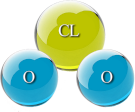
Autism Reversal: Protocol P - Full Recovery from Severe Autism
Autism reversal is real - Dr. Andreas Kalcker
Autism Spectrum Disorder (ASD) is a complex neurodevelopmental condition characterized by deficits in social communication, restricted or repetitive behaviors, and sensory sensitivities, with presentations ranging from mild to severe. Mainstream medical consensus often labels autism as a lifelong condition with no cure, yet my extensive experience since 2011, corroborated by scientific insights from Dioxipedia.com and compelling parental testimonies from Dioxitube.com, demonstrates that severe autism can be fully reversed in many cases.
This article elucidates the environmental triggers, a detailed biological mechanism, and the recovery protocol I developed - Protocol P - which has enabled hundreds of children, including my nephew, to recover completely, exhibiting no residual autism symptoms.
A Personal Discovery and Breakthrough
In 2011, my nephew's diagnosis of severe, nonverbal autism introduced me to this condition. His mother attributed his gluten intolerance to celiac disease, but my investigation revealed otherwise. Examining a fresh stool sample under a microscope, I identified numerous parasites, prompting me to recommend enemas with Miracle Mineral Solution (MMS), as Chlorine Dioxide Solution (CDS) was unavailable at the time.
Within weeks, my nephew - previously nonverbal, aggressive, self-injurious, exhibiting ataxia, flapping, and sleep difficulties - demonstrated rapid improvement. His Autism Treatment Evaluation Checklist (ATEC) score, initially exceeding 80 (indicating severe autism), dropped significantly.
This success led me to develop Protocol P, detailed in my book Forbidden Health. Jim Humble, an MMS advocate, connected me with Kerri Rivera, who operated an autism clinic in Mexico. Rivera adopted Protocol P, later incorporating additional variables, and achieved remarkable outcomes.
Through global conferences, I shared how Protocol P and chlorine dioxide facilitated hundreds of children achieving full recovery, with ATEC scores below 10, indicating no autism symptoms. These were severe, nonverbal cases, not high-functioning autism or Asperger's, challenging the notion that autism is untreatable.
Images from children with reversal in 2014 at the Autism One Congress in Chicago.
ATEC Scoring System
The ATEC (Autism Treatment Evaluation Checklist) scoring system is a tool designed to measure the effectiveness of treatments for individuals with autism spectrum disorder. It evaluates four key areas: Speech/Language/Communication, Sociability, Sensory/Cognitive Awareness, and Health/Physical/Behavior. The total score ranges from 0 to 179, where lower scores indicate minimal or no autism symptoms and higher scores correspond to more severe autism:
- 0-30: None or very mild autism
- 31-50: Mild autism
- 51-80: Moderate autism
- 81 and above: Severe to very strong autism
Asperger syndrome would generally fall within the low to moderate range, roughly around 30-50.
The Dire Consequences of Inaction
Severe autism, if unaddressed, can lead to catastrophic outcomes. A poignant example involves a mother who, hesitant to implement enemas, faced dire consequences with her 16-year-old son. His aggression escalated, nearly causing a fatal car accident by seizing her throat while she drove. He was institutionalized, subjected to heavy medications, resulting later in severe liver and kidney damage. The institution later proposed a lobotomy, leaving him wheelchair-bound, nonverbal, and generating $3,000 monthly for the care-facility with no recovery prospect for life.
Autism's Causes: The Vaccine Trigger
A survey of approximately 2,000 parents in my network revealed that 80% associated their children's autism onset or exacerbation with vaccinations, particularly the Measles-Mumps-Rubella (MMR) vaccine or multiple simultaneous shots. One couple reported their child, fluent in three languages, became nonverbal post-vaccination, deteriorating daily.
Most of the other 20% cited maternal amalgam mercury fillings, vaccinations during pregnancy, or perinatal oxygen deprivation.
Autism prevalence has surged from 1 in 10,000 in the 1980s to 1 in 22 in some regions today, coinciding with the U.S. vaccine schedule's expansion to 92 doses by adolescence.
The Biological Mechanism
Drawing from Dioxipedia.com, parental observations, and scientific literature, the biological mechanism of autism initiates in the brain and progresses to systemic dysfunction, particularly impacting the gut:
- Neuroinflammatory Trigger (Chronic Encephalitis): In susceptible children, environmental insults may induce chronic low-grade encephalitis, involving activation of microglia and release of pro-inflammatory cytokines (IL-6, TNF-a), which compromise the blood-brain barrier.
- Vagus Nerve Dysregulation: The neuroinflammatory process extends to the vagus nerve, disrupting the cholinergic anti-inflammatory pathway, leading to autonomic dysregulation manifesting as behavioral symptoms.
- Systemic Inflammatory Propagation: Vagal inflammation propagates immune dysregulation to peripheral organs, notably the thyroid and gastrointestinal tract.
- Thyroid Dysfunction and Hypochlorhydria: Inflammation suppresses myeloperoxidase production, impairing thyroid function and reducing gastric hydrochloric acid (HCl) secretion.
- Intestinal Dysbiosis and Biofilm Formation: Low HCl allows opportunistic pathogens such as Pseudomonas aeruginosa and unicellular parasites to colonize the intestines, producing protective biofilms.
- Toxic Metabolite Accumulation: Pathogenic overgrowth generates neurotoxic metabolites, notably ammonia, leading to hyperammonemia causing ataxia, tremors, flapping, and agitation.
- Dietary Exacerbation: Impaired digestion results in incomplete breakdown of casein and gluten, forming opioid peptides that cross the compromised blood-brain barrier.
- Speech Impairment via Laryngeal Dysfunction: Vagus nerve inflammation affects the recurrent laryngeal nerve, controlling throat muscles essential for speech articulation.
- Parasitic Amplification: Secondary parasitic infections thrive in the low-acidity, biofilm-protected intestinal environment, releasing additional neurotoxic metabolites.
- Chronic Feedback Loop: The interplay of neuroinflammation, vagal dysfunction, thyroid impairment, gut dysbiosis, and toxic accumulation creates a self-reinforcing cycle.
Protocol P: The Recovery Path
Protocol P, which has led to hundreds of children achieving full recovery, comprises:
1. Rigorous Dietary Intervention
A strict gluten-free, casein-free diet eliminates inflammatory triggers. Casein forms casomorphins, exacerbating neurological symptoms, while gluten and artificial additives inflame the gut and brain. Even minor exposures can trigger days-long behavioral regressions.
A 2024 Food for the Brain case study reported twins reversing autism through a gluten-free, casein-free diet supplemented with omega-3, vitamin D, and zinc.
2. Chlorine Dioxide (MMS/CDS)
Chlorine dioxide, administered as MMS or CDS, acts as a selective oxidant to neutralize pathogens and dissolve intestinal biofilms. At low, controlled doses (10-30 ppm for CDS), it targets anaerobic bacteria and parasites without harming beneficial flora.
A 2014 testimony documented a 20-year-old dropping from an ATEC score of 51 to 6 after two years, achieving full recovery including mainstream schooling.
3. Parasite Cleansing
Protocol P incorporates antiparasitic agents (e.g., mebendazole, herbal extracts like black walnut) and chlorine dioxide enemas to target protozoa and small helminths.
A 2015 Dioxitube.com testimony described a nonverbal child regaining speech after three months of parasite cleansing, with ATEC scores dropping from 75 to 20.
4. Unwavering Discipline and Community Support
Recovery demands relentless discipline from parents. Social networks, particularly Telegram groups, are vital - mothers who recovered their children mentor others.
A 2016 Dioxitube.com report highlighted a mother using flavored CDS to improve compliance, reducing her child's ATEC score from 90 to 15 in 18 months.
5. Ceasing Vaccinations
Given the reported link between vaccinations and autism onset in 80% of surveyed parents, halting further vaccinations is a cornerstone of Protocol P.
Addressing Opposition
My advocacy for recovery faced significant resistance, including detention at an Ibiza conference for discussing chlorine dioxide. The National Autistic Society and FDA warn against chlorine dioxide, citing potential harm and lack of trials, yet provide no evidence of harm at therapeutic doses.
No other disease has generated such a fierce backlash against me as autism. The reason is clear: the evidence demonstrating that CDS can enable recovery from autism is solid and transformative, challenging long-held beliefs and paradigms in medicine.
Conclusion
Hundreds of children, including my nephew, have fully recovered from severe autism using Protocol P, exhibiting no trace of the former condition. By addressing neuroinflammation, vagus nerve dysfunction, gut dysbiosis, and toxic overload through diet, chlorine dioxide, and parasite cleansing, parents can transform their children's lives.
More info and a recovery guide: https://es.scribd.com/document/673554464/Autism-Recovery-Guide-for-Parents-Kerri-Rivera-June-2023-Updated