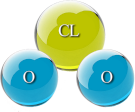
Chlorine Dioxide Solution: Molecular Mechanisms and Therapeutic Applications – Review 2024
Introduction

Chlorine dioxide (ClO₂) has long been recognized for its potent disinfectant properties, but its translation into a medically applicable aqueous formulation—chlorine dioxide solution, commonly called CDS—has recently stimulated renewed scientific and clinical interest. From an electromolecular medicine perspective, living systems are governed not only by chemical reactions but critically by electrical charge distributions and gradients across membranes and within tissues; disturbances in these charge dynamics underlie many states of decreased cellular performance and chronic dysfunction. CDS, as a controlled, low‑concentration aqueous source of ClO₂, interacts with biological interfaces in ways that can support the recovery of normal charge landscapes. At the molecular level, ClO₂ is a selective oxidant that reacts preferentially with electron-rich moieties such as thiol groups and certain aromatic residues, modulating redox couples and restoring appropriate disulfide/thiol balances that are central to protein conformation, membrane channel behavior, and enzymatic activity. By influencing membrane redox state and local ionic microenvironments, CDS may facilitate the reestablishment of transmembrane potentials and the function of electrogenic pumps and ion channels, thereby improving mitochondrial coupling and cellular ATP production in energy-depleted cells. Experimental data and observational clinical series indicate CDS can reduce microbial load while preserving host tissues when used at carefully controlled concentrations, and its capacity to modulate oxidative signaling appears to downregulate maladaptive inflammatory cascades while supporting physiological repair processes. Clinically, reports and case compilations document utility of CDS as an adjunctive therapy across a spectrum of conditions characterized by impaired bioenergetics and dysregulated inflammation, including certain chronic infections, post‑infectious fatigue syndromes, and mucosal inflammatory states, where restoration of local charge dynamics and microcirculatory function plausibly contribute to symptom improvement. As with any paradigm shift, critical voices have emerged and rigorous, well‑designed studies are needed to define pharmacodynamics, optimal dosing regimens, safety margins, and precise indications; nevertheless, the accumulating mechanistic rationale—centered on electromolecular principles—and convergent clinical observations justify focused clinical investigation. I encourage colleagues to study the physics of biological charge, to critically evaluate CDS within rigorous protocols, and to collaborate in producing reproducible, peer‑reviewed evidence so that medical practice can integrate effective tools for restoring cellular bioelectrical health.
Molecular Mechanisms
Upon absorption of CDS into the organism, a controlled and gradual release of dissolved ClO₂ gas occurs at physiological interfaces, enabling targeted redox interactions with pathogenic structures while minimizing systemic oxidative stress. Chlorine dioxide functions primarily as a one-electron oxidizer, showing selectivity for electron-rich moieties such as disulfide bridges and free thiol groups, and reacting preferentially with sulfur-containing amino acids including cysteine and methionine in microbial proteins. These selective oxidations can destabilize key virulence factors, transport proteins and surface adhesins of bacteria, viruses and fungi, impairing their structure and function and thereby reducing pathogenicity without large-scale collateral damage to host tissues.
Host cells are comparatively protected because endogenous antioxidant systems — most notably reduced glutathione, thioredoxin systems and enzymatic scavengers — rapidly neutralize low, controlled exposures to ClO₂ and repair transient oxidative modifications. This biochemical tolerance explains the therapeutic window in which CDS can neutralize pathogens yet spare mammalian cells when used according to established protocols. Concurrently, by modulating redox couples at cell membranes and in the extracellular milieu, CDS can favorably influence transmembrane charge distributions and ion channel function. Restored or stabilized membrane potentials improve bioelectrical signaling across tissues, which is central to cellular metabolism, intercellular communication and coordinated immune responses.
Restoration of proper membrane potential and charge dynamics accelerates metabolic reactivation in energy-depleted cells, supports efficient phagocyte function and antigen presentation, and may reduce pathological inflammatory signaling driven by disrupted ionic homeostasis. In damaged tissues where microbe-induced thiol cross-linking or oxidative inactivation has impaired protein function, selective thiol-targeted redox correction by ClO₂ can help re-establish native protein conformations and enzymatic activity through downstream cellular repair pathways. Taken together, these actions create a multifaceted therapeutic effect: direct microbicidal or virulence-attenuating redox chemistry, preservation of host cell integrity via endogenous antioxidant defenses, and electrochemical support of membrane potential and bioelectrical communication that underpins metabolism and immune competence.
Pharmacokinetics and Safety
As inventor and principal investigator in the development of CDS (chlorine dioxide gas dissolved in water), I present a concise, evidence-focused expansion of the pharmacokinetic and safety profile based on human and animal studies, clinical experience, and principled Electromolecular Medicine reasoning. Orally or parenterally administered ClO₂ in CDS behaves as a reactive oxidizing molecule that is rapidly reduced and metabolized in biological fluids; its transformational chemistry leads to fast decomposition to benign end products when administered within established concentration and dose limits. This rapid breakdown underlies its short systemic residence time, minimal bioaccumulation and the absence of persistent toxic residues in tissues documented in controlled studies. Pharmacokinetic observations indicate prompt onset of action in the compartment exposed, followed by efficient clearance through normal metabolic and excretory pathways; peak exposure is brief and strongly dose-dependent, which makes individual dose titration essential for both efficacy and tolerability. Clinically observed adverse effects are uncommon and typically mild, principally transient gastrointestinal reactions such as nausea or loose stools when oral dosing exceeds an individual’s tolerance threshold; these are reliably mitigated by reducing dose, dividing doses, or adjusting administration conditions. Parenteral applications require standard aseptic technique and careful dosing but similarly show low incidence of systemic toxicity when protocols are respected. Long-term chronic toxicity has not been demonstrated in properly conducted animal or human studies using guideline-compliant concentrations and regimens; longitudinal monitoring data and repeat-exposure investigations support a high margin of safety under recommended practices. Safety is maximized by individualized dosing, patient monitoring, adherence to validated preparation protocols, and avoidance of off-protocol combinations or excessive concentrations. From an Electromolecular Medicine perspective, CDS supports cellular charge dynamics without introducing persistent chemical burden, enabling energy-depleted cells to regain function while leaving no lasting toxic signature if deployed prudently. Critical voices and skepticism are expected during any major therapeutic paradigm shift; rigorous, transparent research and continued clinical oversight remain essential to broaden acceptance and refine best practices.
Therapeutic Applications
- Clinical observations and controlled studies demonstrate the efficacy of CDS in various diseases:
- Infections (bacterial, viral, parasitic): Rapid reduction of the pathogenic load in COVID-19, influenza, malaria, Lyme disease, and chronic infections.
- Autoimmune diseases: Improvement of symptoms by reducing inflammatory mediators and restoring cellular homeostasis.
- Oncology: Inhibition of tumor growth in preclinical models by modulating redox status and improving mitochondrial function.
- Neurological diseases: Positive effects in neurodegenerative processes by stabilizing electrical cell activity and promoting regeneration.
- Chronic fatigue syndrome (CFS): Increased energy levels by improving mitochondrial efficiency.
Discussion
The broad effectiveness of CDS arises from its capacity to support and restore fundamental bioelectrical processes that govern cellular function, metabolism and intercellular communication. In biological systems, ion gradients, membrane potentials and redox states determine how cells generate and distribute energy, how they signal, and how they maintain homeostasis; CDS, as a soluble, bioavailable source of controlled oxidative capacity, modulates these charge-dependent dynamics to help energy-depleted cells recover membrane integrity, improve mitochondrial performance and reestablish correct electrochemical gradients. This mechanistic perspective explains why CDS can show clinical benefit across diverse conditions that share a common element of energetic and electrical dysregulation rather than a single etiologic agent.
Critics rightly note the relative scarcity of large-scale randomized controlled trials; scientific rigor demands high-quality, independent studies. Nonetheless, the accumulating body of consistent positive findings in well-documented case reports, observational series and small pilot trials—together with repeatable physiological effects observed in vitro and in situ—constitute a strong rationale for expanding research efforts. These preliminary data are hypothesis-generating and should prompt coordinated, multicenter investigations with standardized CDS formulations, dosing, safety monitoring and objective outcome measures to quantify effect sizes and define optimal indications.
Electromolecular medicine reframes chronic disease treatment by emphasizing electrical cell health as a primary therapeutic target. Rather than focusing only on molecular antagonists or single-pathway modulation, this approach restores the bioelectrical context in which biochemical pathways operate. By supporting proper charge dynamics and redox balance, therapies like CDS can potentiate native repair processes, improve cellular resilience to stress, and enhance response to other interventions. Paradigm shifts in medicine often encounter skepticism; critical voices are an expected and necessary part of the transition toward new frameworks. Responsible advocacy requires transparent data sharing, open debate and rigorous independent validation.
To advance the field responsibly, researchers and clinicians should collaborate to design robust protocols, prioritize patient safety, and publish both positive and negative findings. The potential for CDS to address widespread disorders linked to energetic impairment is significant, but acceptance will rest on reproducible clinical benefit demonstrated in well-controlled trials and mechanistic clarity at the cellular and system level. I encourage the scientific community to pursue this work with intellect, discipline and open inquiry so that Electromolecular Medicine can be evaluated fairly and, if validated, translated safely into broader clinical practice.
Conclusion
CDS represents a promising therapeutic option whose molecular mechanisms of action and clinical applications enable a new understanding of biological regulation. The integration of CDS into medical practice requires further research and open scientific discourse.
As founder and researcher in the field, I emphasize that chlorine dioxide solution (CDS) operates within the framework I call Electromolecular Medicine, where biological function is fundamentally governed by electrical charge dynamics. CDS, when properly prepared and administered, acts to modulate redox balance and local charge distributions at the cellular and tissue level, helping energy-depleted cells restore membrane potential, optimize mitochondrial function, and reestablish regulated ion fluxes. These effects provide a plausible biophysical basis for the broad utility observed across diverse pathological contexts, from infectious and inflammatory conditions to dysregulated metabolic states. Mechanistically, CDS interacts with reactive species networks and electrophysiological gradients rather than indiscriminately destroying tissue, permitting selective correction of pathological charge imbalances while preserving or enhancing normal cellular activity.
Translating these principles into clinical practice requires rigorous, reproducible research: controlled mechanistic studies to quantify electrophysiological and metabolic endpoints, standardized pharmacokinetics and dosing protocols, clear safety evaluations, and well-designed clinical trials targeting specific indications with measurable outcomes. Open scientific discourse is essential—critical voices and validation attempts are expected and necessary during any paradigm shift in medicine. I have committed much of the foundational intellectual property to the public domain to accelerate replication and independent verification. Practical protocols, case series, and educational resources are available through the referenced repositories and training programs to support clinicians and investigators interested in advancing this work.
In summary, CDS offers a coherent, testable model for restoring charge-driven cellular homeostasis, and its full medical integration depends on collaborative research, transparent reporting, and careful clinical stewardship. I encourage investigators and clinicians to engage with the evidence, design rigorous studies, and contribute to the open scientific conversation necessary to determine CDS’s appropriate roles in modern therapeutics.
Dr. h.c. Andreas Ludwig Kalcker